The "I Understand But Can't Speak" Trap (And How to Escape It)
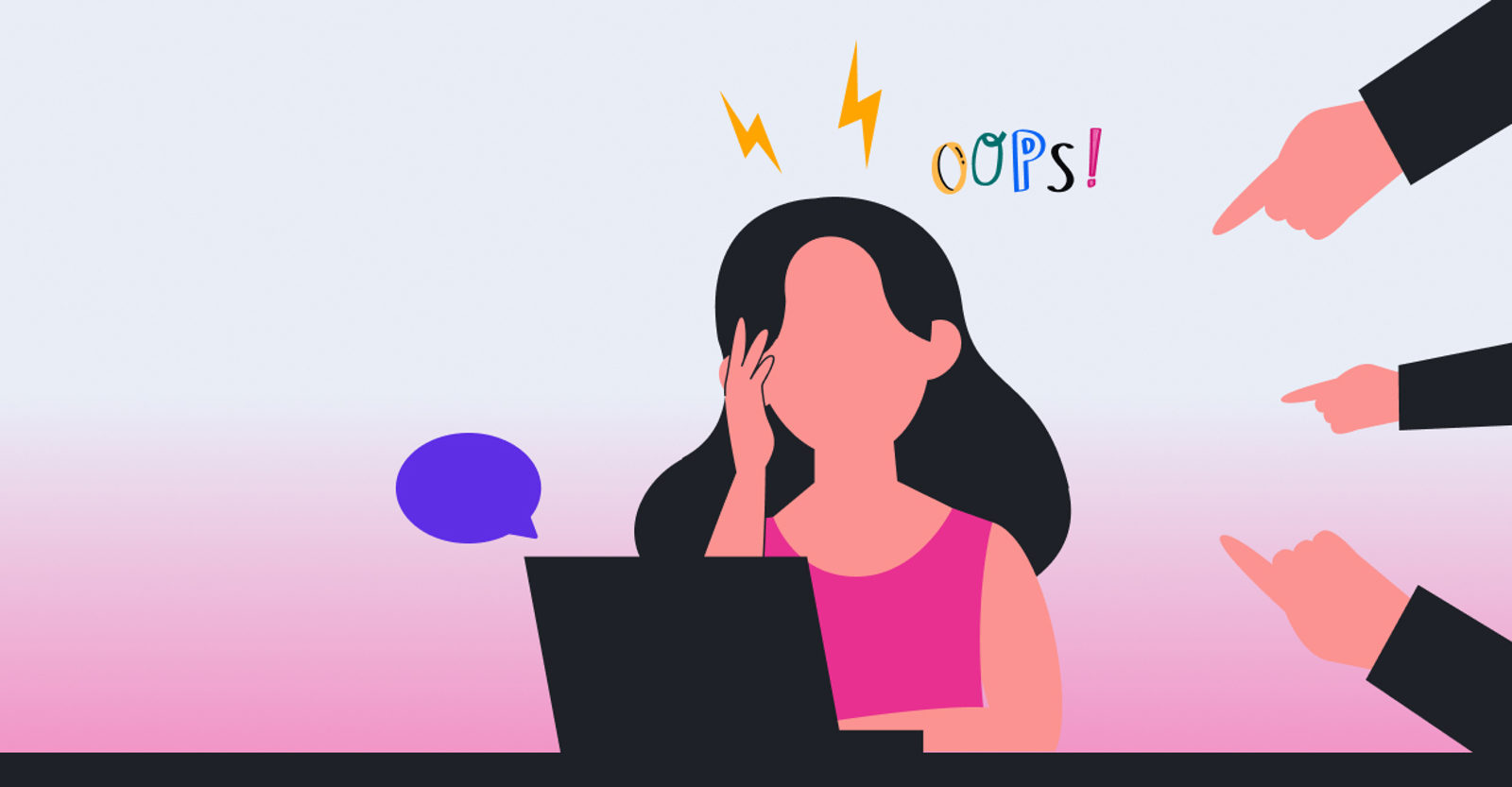
"I understand everything... but when I try to speak, nothing comes out."
There isn't something wrong with you.
Most of the time, it's training the wrong skill.
The problem isn't your English level
You can read English articles. You can follow a movie without subtitles. You can probably write a decent email.
And then someone asks you a simple question out loud, and your mind goes blank.
That gap is confusing, because everything you already know about English suggests you should be able to speak it. So why can't you?
Here's the short answer: understanding English and producing English are two different skills. You've spent years building one of them. The other one has barely been trained at all.
Recognition vs. recall
Think about a song you love. If it comes on the radio, you recognize it instantly — the melody, the lyrics, the mood. Recognition is easy. It happens automatically.
Now imagine someone hands you a microphone and asks you to sing that same song, from memory, right now, in front of people.
Suddenly it's harder. You know the song. But recalling every word in the right order, at the right moment, under pressure, is a completely different task than recognizing it when you hear it.
Reading and listening are recognition tasks. Your brain matches sounds and words to meanings you already have stored. Speaking is a recall task. Your brain has to retrieve the right words, put them in order, and produce them out loud — in real time, with no pause button.
This is the input vs. output gap. Years of reading, watching, and listening build strong recognition. But recognition doesn't automatically turn into recall. Recall is a separate skill, and it only improves the way most skills do: by doing the thing itself, repeatedly.
Why studying more doesn't fix it
If the problem were a vocabulary gap, more studying would solve it. For a lot of learners, it doesn't — and that's genuinely confusing, because studying is the thing that's always worked before.
More grammar rules won't train recall speed. More flashcards won't train the feeling of holding a sentence together while another person is waiting for your answer. Those tools build recognition. They were never built to train output.
This is also why the freeze can feel personal, even though it isn't. It's easy to think, "I've studied for years, so if I still can't speak, something must be wrong with me." What's actually happening is much simpler: you've trained one skill heavily and the other one barely at all. That's not a flaw. It's a training mismatch.
What actually trains recall
Recall improves through real-time use — retrieving words under a small amount of pressure, again and again, until it gets a little easier each time.
A few things that genuinely help:
- Low-stakes repetition. Short, frequent speaking attempts train recall faster than occasional long ones.
- Real conversation, not silent review. Recall only strengthens when you're actually producing language, not just recognizing it.
- A format that doesn't spike the pressure too high. If every attempt feels like a spotlight moment, you'll avoid practicing altogether — which stalls the exact skill you're trying to build.
This is part of why one-on-one pressure can backfire for some learners: all the attention lands on you at once, and the fear of the pause becomes bigger than the conversation itself. A small group changes that dynamic. In a group of four to six, silence is shared. Someone else will often fill it, which gives you room to think, form a sentence, and speak when you're actually ready — not before.
DailyTalking's small voice groups are built around that idea: real people, a handful at a time, so recall gets practiced without the spotlight sitting on one person the whole time. If a conversation stalls, AI-powered topic suggestions can nudge it forward — the goal is simply to keep you talking, not to hand you a script.
A small way to start
You don't need a dramatic overhaul to begin training recall. Start smaller than feels necessary:
- Pick one everyday topic — your day, a show you watched, a decision you're weighing.
- Say a few sentences about it out loud, even alone, without pausing to fix mistakes.
- Notice where you hesitated. That's the exact spot recall is weak — not a sign you're bad at English.
- Bring that same topic into a real conversation soon after, while it's still fresh.
Messy first. Smooth later. The goal on day one is never a polished sentence — it's simply moving the words from "recognized" to "recalled."
Final thought
Understanding English and speaking English were never the same skill, even though it feels like they should be.
You didn't fail at learning. You practiced one half of the skill for years and the other half barely at all.
Recall gets better the same way recognition did — through repetition, in a place where the pressure doesn't shut you down before you start.
Speak a little. Then a little more. Confidence grows because of speaking, not before it.