English Conversation Practice: Why Speaking With Real People Works Better Than AI Chatbots
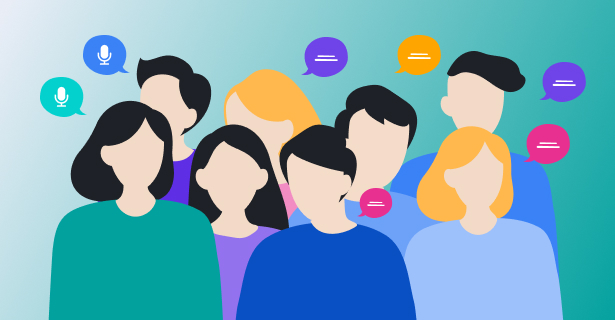
Many English learners can study grammar, use AI chatbots, and understand English videos, but still freeze when it is time to speak. That is because real speaking requires more than correct sentences. You need listening skills, confidence, natural reactions, and practice with real people.
In this article, we will explain why real conversations work better than AI chatbots and how learners can use both methods wisely.
What Is English Conversation Practice?
English conversation practice means actively using English in spoken communication. It helps learners improve fluency, pronunciation, listening skills, vocabulary, and confidence.
Unlike grammar exercises or vocabulary memorization, conversation practice prepares you for real-life situations such as:
- Introducing yourself
- Joining meetings
- Ordering food
- Making small talk
- Explaining ideas
- Asking questions
- Handling job interviews
- Speaking with international colleagues
The goal is not just to speak “correct” English. The goal is to communicate clearly and naturally.
Why AI Chatbots Are Popular for English Practice
AI chatbots are popular because they are fast, available, and easy to use. Learners can practice without fear of judgment. They can ask questions, repeat exercises, and get instant corrections.
For many English learners, chatbots are helpful for:
- Learning new vocabulary
- Practicing sentence structure
- Getting grammar explanations
- Preparing sample dialogues
- Building confidence before speaking with people
However, chatbot practice is usually controlled, predictable, and low-pressure. Real conversations are different.
Why Real Conversations Work Better
1. Real Conversations Improve Listening Skills
In real conversations, people speak with different accents, speeds, tones, and styles. Some people speak quickly. Others use slang, pauses, or incomplete sentences.
AI chatbots often produce clear, structured, and predictable language. That can be helpful at first, but real English is messier.
When you speak with real people, you learn how English sounds in everyday life. This improves your listening comprehension and helps you understand native and non-native speakers more easily.
2. Real Conversations Build Confidence
Many learners understand English but feel nervous when they need to speak. This is normal.
The only way to overcome speaking anxiety is to speak in real situations. Real conversation practice helps you become more comfortable with mistakes, pauses, and unexpected questions.
Over time, you stop translating every sentence in your head and start responding more naturally.
AI chatbots can reduce fear, but they cannot fully recreate the pressure and confidence-building effect of a real conversation.
3. Real People Give Natural Feedback
AI can correct grammar, but real people can give feedback on communication.
For example, a person can tell you:
“This sounds too formal.”
“We usually say it this way.”
“I understand you, but your pronunciation is unclear.”
“That phrase is correct, but it sounds unnatural.”
This type of feedback is extremely valuable because it helps you sound more natural, not just grammatically correct.
4. Real Conversations Teach Body Language and Emotion
Communication is more than words.
In real conversations, you learn how to read facial expressions, tone of voice, pauses, and reactions. You also learn how to show interest, agree politely, interrupt naturally, or ask for clarification.
AI chatbots cannot fully teach these human communication skills.
If your goal is to speak English in business, travel, education, or social life, these soft skills matter a lot.
5. Real Conversations Prepare You for Real-Life Situations
In real life, conversations do not follow a perfect script.
Someone may ask an unexpected question. You may forget a word. The topic may suddenly change. You may need to explain your idea in a different way.
This is where real conversation practice is powerful. It trains your brain to react quickly and communicate even when things are not perfect.
AI chatbots can simulate conversations, but real people create real interaction.
Daily Talking: Practice English With Real People
If you want to move from studying English to actually speaking it, Daily Talking is designed for that exact problem.
Daily Talking is an English speaking practice app that connects learners in small live voice groups. Instead of practicing alone with a chatbot or memorizing grammar rules, you join real conversations with real people in a relaxed environment.
The app focuses on one simple idea: the best way to improve speaking is to speak.
With Daily Talking, learners can:
- Join small group voice sessions with other English learners
- Practice in a low-pressure environment
- Listen first and speak when they feel ready
- Improve confidence through regular real conversations
- Experience different accents, speaking styles, and natural conversation flow
This makes Daily Talking especially useful for learners who understand English but freeze when it is time to speak. The app is not built around grammar drills or vocabulary lists. It is built around live speaking practice.
Why Daily Talking Works Better Than Practicing Alone
AI chatbots can help you prepare sentences, review grammar, or practice simple dialogues. But real speaking confidence comes from interacting with people.
Daily Talking gives learners that missing real-world practice. In small groups, learners do not have to carry the whole conversation alone. They can listen, learn from others, and join naturally when they feel comfortable.
This group format helps reduce pressure while still giving learners the benefits of real conversation: spontaneous topics, natural reactions, different accents, and live communication.
That is why Daily Talking fits well as the next step after AI chatbot practice. Use AI to prepare, then use Daily Talking to speak with real people.